
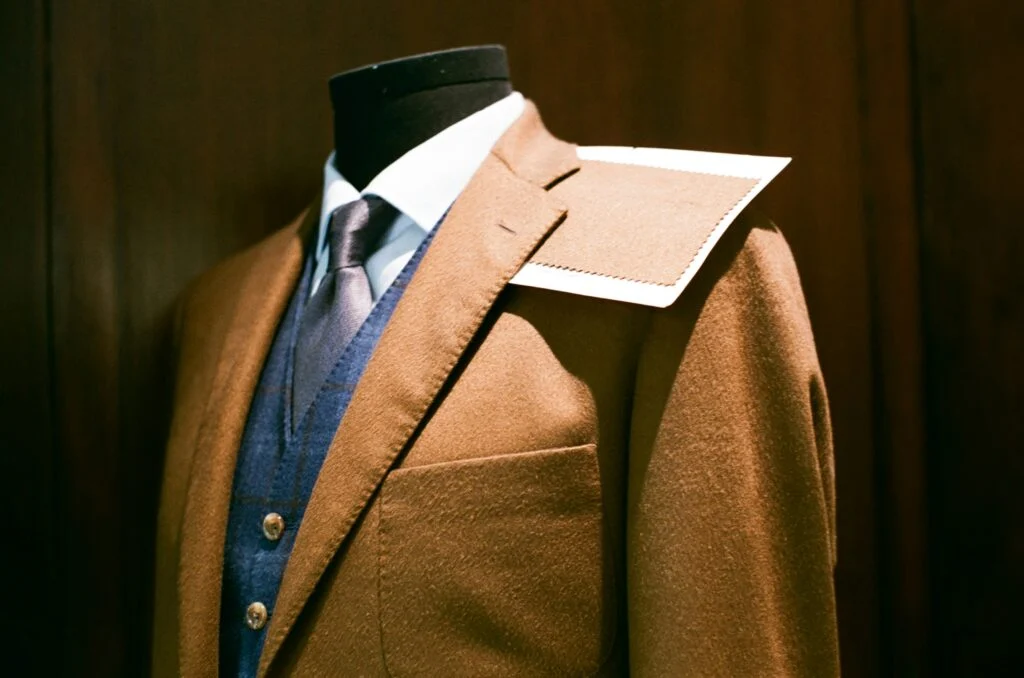
Kigali has one of the strongest custom tailoring cultures of any city its size, and it isn’t just about tradition — ready-to-wear sizing genuinely doesn’t work for a lot of body types, and a well-made custom suit often costs less here than a mediocre off-the-rack one would elsewhere. Still, ordering your first custom piece in Kigali comes with its own set of decisions that aren’t always obvious if you’ve never done it before. Here’s what actually matters before you sit down with a tailor.
Fabric First, Tailor Second
In Kigali, buying the fabric and commissioning the tailoring are usually two separate steps, not one bundled purchase the way it might be at a Western menswear shop. Most people select fabric first, either at a market like Kimironko or from a dedicated fabric shop, then bring it to their chosen tailor. This has a real upside: you’re not limited to whatever a single shop stocks, and you can shop around on quality and price for the cloth itself before committing to labor costs. Classic suiting wools and cottons are available, but kitenge and other African wax-print fabrics are increasingly popular for custom suits, blazers, and accent pieces — a lining, a pocket square, or a full statement jacket, depending on how bold you want to go.
Know the Difference Between a Tailor and a Designer
Kigali’s custom clothing scene spans a wide range, from small neighborhood tailors who specialize in fast, functional repairs and straightforward suits, to fashion-forward designers and ateliers who do couture-level custom pieces with a longer process and a higher price tag. Neither is better in the abstract — it depends what you need. If you want a reliable, well-fitted business suit on a reasonable budget, a solid neighborhood tailor with good references is often the better call. If you’re after something more editorial — a wedding outfit, an original design, heavy embellishment — it’s worth looking at designers who specialize in that kind of work and have a portfolio to show for it.
Budget for Multiple Fittings
A proper custom suit isn’t a single measure-and-collect transaction. Expect at least two fittings beyond the initial measurement: one after the first construction pass to check shoulders, chest, and overall shape, and a final one to confirm adjustments before you take the finished piece home. Tailors who skip straight from measurement to a finished garment with no fitting in between are cutting a corner that tends to show up in the shoulders or the way the jacket sits when buttoned — the two hardest parts of a suit to get right without checking fit along the way.
Set Realistic Timelines
Turnaround varies a lot by tailor and by how complex the piece is, but a well-made custom suit in Kigali typically takes anywhere from one to three weeks once fittings are factored in, longer during busy seasons around major holidays and wedding season. If you need something for a specific date, say so clearly upfront and get a committed timeline in return rather than a vague “soon” — and build in a buffer, because a final fitting that reveals an adjustment is normal, not a sign something went wrong.
Understand What You’re Paying For
Custom tailoring pricing in Kigali is generally built from two separate line items: the fabric cost, which varies enormously by material and where you bought it, and the tailor’s labor fee, which depends on the complexity of the garment and the tailor’s own skill level and reputation. Established tailors with strong portfolios and relationships with trained specialists are not always the cheapest option, but for a structured piece like a suit jacket, the difference in the finished product is usually visible. Ask for a clear, itemized price before committing, and be wary of a quote that’s dramatically below what other tailors in the area are charging for comparable work — it’s rarely a free discount.
A Growing Industry, Not Just a Tradition
Custom tailoring in Rwanda sits inside a broader government push to build up the local textile and garment industry, part of the “Made in Rwanda” campaign that has encouraged local textile production and organized smaller tailors into more structured firms over the past decade. The practical upshot for customers is a steadily improving pool of trained tailors and, increasingly, locally produced fabric alongside imported cloth — something worth asking your tailor about directly if sourcing fabric made in Rwanda matters to you.
Finding the Right Tailor
Reputation matters more here than almost anywhere else in the service economy, since a bad tailoring job is expensive to fix and hard to return. Ask to see finished work, not just fabric samples, and if possible, examples close to what you’re ordering. You can browse tailors listed across Rwanda to compare reviews and past work before committing, and UZI Collections is one example worth including in that shortlist. Whichever tailor you choose, the same rule applies as anywhere else: a clear conversation about fabric, timeline, and price before any cutting starts saves almost every headache that comes up later.
Sources
- Fibre2Fashion — Rwanda Unveils Textile Development Strategy
- Heaven Rwanda — Onsite Custom Tailoring & Made in Rwanda Products